
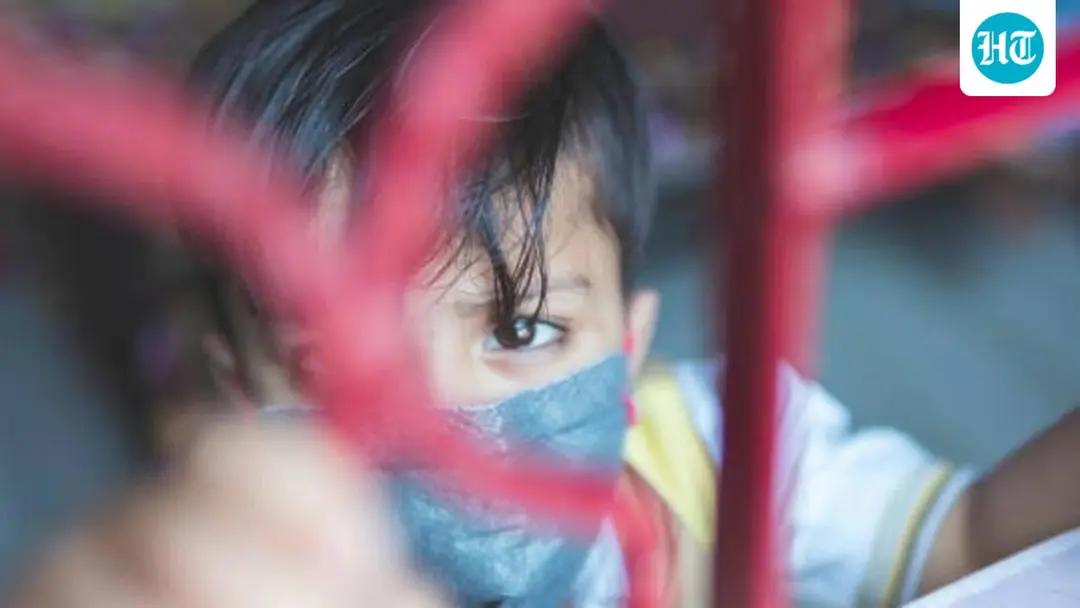
CAQM advises no school sports in Delhi-NCR in November-December
The Commission for Air Quality Management has advised the governments of Delhi, Haryana, Rajasthan and Uttar Pradesh to ensure no physical sports activities or competitions are held in schools during November and December, citing air quality conditions. Competitions already scheduled may be rescheduled, and students unable to participate should not be unduly disadvantaged. CAQM referred to Supreme Court directions in the MC Mehta vs Union of India case. The advisory, dated September 10, was shared on Tuesday.
Source
Hindustan Times — India · read the original report ↗
Desk check · compared with the source
What the desk checked (5)
- CAQM advised Delhi, Haryana, Rajasthan and Uttar Pradesh to ensure no physical sports activities or competitions in schools during November-December. — Attributed to the CAQM advisory and supported by quoted text in the source.
- The advisory is dated September 10 and was shared on Tuesday. — Stated in the source; no year given for September 10.
- CAQM cites Supreme Court directions in 'MC Mehta vs Union of India' on air quality impact on children in sports competitions. — Attributed to CAQM in the source; court order text not reproduced.
- Earlier CAQM letters are referred to as dated November 11, 2025 and November 19, 2025. — Both dates appear in the source but are internally inconsistent as references to the same 'last year' letter.
- Diwali this year falls on November 8 and is expected to coincide with the stubble burning peak. — Attributed to an unnamed official in the source.
Analysts’ view opinion
ఇది కేవలం పర్యావరణ సలహా కాదు — శీతాకాలంలో కాలుష్యంపై ఏటా పునరావృతమయ్యే రాజకీయ పోరాటానికి ముందస్తు సంకేతం. సుప్రీంకోర్టు ఆదేశాల ఆధారంగా CAQM ముందుగానే (సెప్టెంబర్ 10 తేదీతో) సలహా జారీ చేయడం వల్ల, "మేము హెచ్చరించాం" అనే రక్షణ కేంద్ర స్థాయి సంస్థకు దక్కుతుంది; అమలు భారం, రాజకీయ మూల్యం ఢిల్లీ, హరియానా, రాజస్థాన్, యూపీ ప్రభుత్వాలపైకి మారుతుంది. దీపావళి, పంట అవశేషాల దహనం ఒకేసారి రావడం అంచనా వేసిన నేపథ్యంలో, పాఠశాల క్రీడలను వాయిదా వేయడం అనే కనిపించే చర్య — వాస్తవ కాలుష్య మూలాలపై చర్య తీసుకోకపోవడాన్ని కప్పిపుచ్చుతుందన్న విమర్శకు దారితీయవచ్చు.
- కోర్టు ఆదేశాల ఛత్రం కింద జారీ చేయడం వల్ల ఈ సలహాను రాజకీయంగా వ్యతిరేకించడం ఏ పార్టీకీ సులభం కాదు — ఇది CAQMకు బలమైన కవచం.
- పిల్లల ఆరోగ్యం అనే భావోద్వేగ అంశం చుట్టూ చర్చ మారడం వల్ల, కాలుష్య వివాదం సాంకేతిక స్థాయి నుంచి తల్లిదండ్రుల ఓటు బ్యాంకు స్థాయికి చేరుతుంది.
- నాలుగు రాష్ట్రాలకూ ఒకే సలహా ఇవ్వడం వల్ల, ఏటా జరిగే 'ఢిల్లీ వర్సెస్ పంజాబ్/హరియానా' నెపాల ఆటకు కొంత అడ్డుకట్ట పడే అవకాశం ఉంది.
- అయితే క్రీడలు రద్దు చేయడం ఫలితాలపై చర్య, మూలంపై చర్య కాదు — గాలి శుద్ధి చేయలేక పిల్లలను ఇంట్లో కూర్చోబెడుతున్నారన్న ప్రతిపక్ష విమర్శకు ఇది ఆస్కారం ఇస్తుంది.
- పోటీలు కోల్పోయిన విద్యార్థులకు నష్టం జరగకూడదన్న షరతు అమలు బాధ్యత రాష్ట్రాలపైనే ఉంది; అది విఫలమైతే స్థానిక ప్రభుత్వాలే ఆగ్రహాన్ని ఎదుర్కోవాల్సి వస్తుంది.
What to watch — నాలుగు రాష్ట్ర ప్రభుత్వాలు ఈ సలహాను అధికారిక ఉత్తర్వులుగా మారుస్తాయా, ప్రైవేటు పాఠశాలలకూ వర్తింపజేస్తాయా — మరియు దీపావళి తర్వాత గాలి నాణ్యత దిగజారితే ఈ సలహా అమలుపై ఎవరు ఎవరిని నిందిస్తారో గమనించాలి.
ఈ కథనం సలహా జారీ అయిన విషయాన్ని మాత్రమే నిర్ధారిస్తుంది — ఏ రాష్ట్రం ఎలా స్పందించింది, గత ఏడాది అమలు ఎంతవరకు జరిగింది, ఏ పార్టీ ఎలాంటి రాజకీయ వైఖరి తీసుకుంది అనే వివరాలు ఇందులో లేవు.
Deep dive
Research brief · 8 facts · 6 dates · exam-readyThe brief
Context
The Commission for Air Quality Management (CAQM), the statutory body for air quality in Delhi-NCR and adjoining areas, has advised the governments of Delhi, Haryana, Rajasthan and Uttar Pradesh not to schedule any physical sports activities or competitions in schools during November and December. The advisory cites the annual winter pollution spike in the capital region, when crop residue burning in the northern plains coincides with Diwali and unfavourable meteorological conditions. CAQM has grounded the move in Supreme Court directions in the long-running 'MC Mehta vs Union of India' case, where the court flagged the health risk to children competing in outdoor sports in severe air quality. The advisory is dated September 10 but was shared on Tuesday.
Key facts
- CAQM has advised Delhi, Haryana, Rajasthan and Uttar Pradesh to ensure no physical sports activities or competitions are scheduled in schools during November-December.
- The advisory is dated September 10 and was shared on Tuesday; it was issued by CAQM member secretary Tarun Kumar Pithode.
- CAQM says competitions already scheduled may be rescheduled, and students unable to participate must not be unduly disadvantaged.
- State governments have been asked to explore alternative opportunities for students without compromising their health or academic progress.
- CAQM cites Supreme Court directions in the 'MC Mehta vs Union of India' case, where the court last year flagged the impact of severe air quality on children in sports competitions.
- CAQM had earlier written to state governments on November 11, 2025, asking them to postpone such school sports activities.
- The latest advisory reiterates observations made in CAQM's letter dated November 19, 2025, for the current year as well.
- Diwali this year falls on November 8 and is expected to coincide with the stubble burning peak, according to an official.
Timeline
- Last year (date not stated in the source)Supreme Court, in MC Mehta vs Union of India, expressed concern over severe air quality affecting children in sports competitions and asked CAQM to direct Delhi-NCR schools to postpone November-December events.
- November 11, 2025CAQM wrote to state governments asking for immediate action to postpone physical sports and activities across schools.
- November 19, 2025CAQM issued a letter whose observations the current advisory reiterates.
- September 10Date of the latest CAQM advisory to Delhi, Haryana, Rajasthan and Uttar Pradesh.
- TuesdayThe September 10 advisory was shared publicly.
- November 8 (this year)Diwali, expected to coincide with the peak of stubble burning, per an official.
Who has a stake
- Commission for Air Quality Management (CAQM) — Statutory body issuing the advisory and implementing Supreme Court directions on air quality in Delhi-NCR.
- Governments of Delhi (NCT), Haryana, Rajasthan and Uttar Pradesh — Must ensure compliance, reschedule school sports events and provide alternative opportunities to students.
- School students in Delhi-NCR — Face health risks from outdoor exertion in polluted air, and possible loss of sporting opportunities if events are cancelled.
- Schools and sports bodies in NCR — Have to reorganise calendars for competitions scheduled in November and December.
- Supreme Court — Directed CAQM to act on the issue through the MC Mehta vs Union of India case; monitoring compliance.
- Delhi's pollution enforcement machinery — Delhi has deployed 334 teams for round-the-clock pollution checks ahead of winter.
Why it matters
Children are among the most vulnerable to air pollution, and outdoor physical exertion sharply increases the volume of polluted air they inhale, making school sports in November-December a direct health risk. The advisory shows how the annual Delhi-NCR winter smog is now reshaping routine institutional calendars across four states, not just triggering emergency curbs. It also raises the equity question CAQM itself flags: how to protect health without depriving students of sporting and academic opportunities.
UPSC angle
Prelims pointers
- CAQM (Commission for Air Quality Management) covers the National Capital Region and adjoining areas; advisory issued by member secretary Tarun Kumar Pithode.
- Advisory addressed to Delhi (NCT), Haryana, Rajasthan and Uttar Pradesh - the NCR states.
- 'MC Mehta vs Union of India' is the Supreme Court case under which directions on school sports postponement were issued.
- CAQM letters cited: November 11, 2025 and November 19, 2025; latest advisory dated September 10, shared on Tuesday.
- Delhi's winter pollution spike is driven by post-harvest residue burning, Diwali firecrackers and northwesterly winds with low wind speed.
- Delhi has deployed 334 teams for round-the-clock pollution checks ahead of winter.
Mains framing
The CAQM advisory barring school physical sports in Delhi-NCR during November-December illustrates how seasonal air pollution has moved from an environmental emergency to a recurring constraint on public life. The causes cited in the source are structural and predictable: post-harvest crop residue burning in the northern plains, its overlap with Diwali - which falls on November 8 this year and is expected to coincide with the stubble burning peak - and adverse meteorology from October, when winds turn northwesterly, wind speeds and temperatures drop, and pollutants stagnate. The implications are twofold: a public health imperative to shield children from exertion in severe air, recognised by the Supreme Court in MC Mehta vs Union of India, and an opportunity cost for students whose competitions are postponed. CAQM's own advisory points to the way forward within its remit - rescheduling events, ensuring no student is unduly disadvantaged, and offering alternative opportunities at an appropriate time without compromising health or academic progress - alongside enforcement measures such as Delhi's 334 round-the-clock pollution check teams. The deeper question, which the source does not resolve, is whether repeated advisories can substitute for tackling the sources of the winter spike itself.
Key terms
- CAQM
- Commission for Air Quality Management, the body issuing air quality directions and advisories for Delhi-NCR and adjoining areas.
- MC Mehta vs Union of India
- Supreme Court case in which the court flagged the impact of severe air quality on children in sports and directed CAQM to act.
- Stubble burning
- Burning of crop residue after harvesting in the northern plains, a key contributor to the Delhi-NCR pollution spike.
- NCR
- National Capital Region, covering Delhi and parts of Haryana, Rajasthan and Uttar Pradesh addressed in the advisory.
- Advisory
- A non-binding instruction to state governments; here asking them to ensure no school sports events in November-December.
Practice questions
- Discuss how seasonal air pollution in Delhi-NCR has shifted from an emergency response issue to a structural constraint on public institutions. Illustrate with the CAQM advisory on school sports.
- Examine the role of the Commission for Air Quality Management and judicial directions in the MC Mehta vs Union of India case in shaping air pollution governance in the National Capital Region.
- Children are disproportionately vulnerable to air pollution. Critically evaluate measures such as suspending school sports activities, balancing health protection against educational and developmental costs.
Grounded only in the source report — figures and dates are the source's, not inferred.