
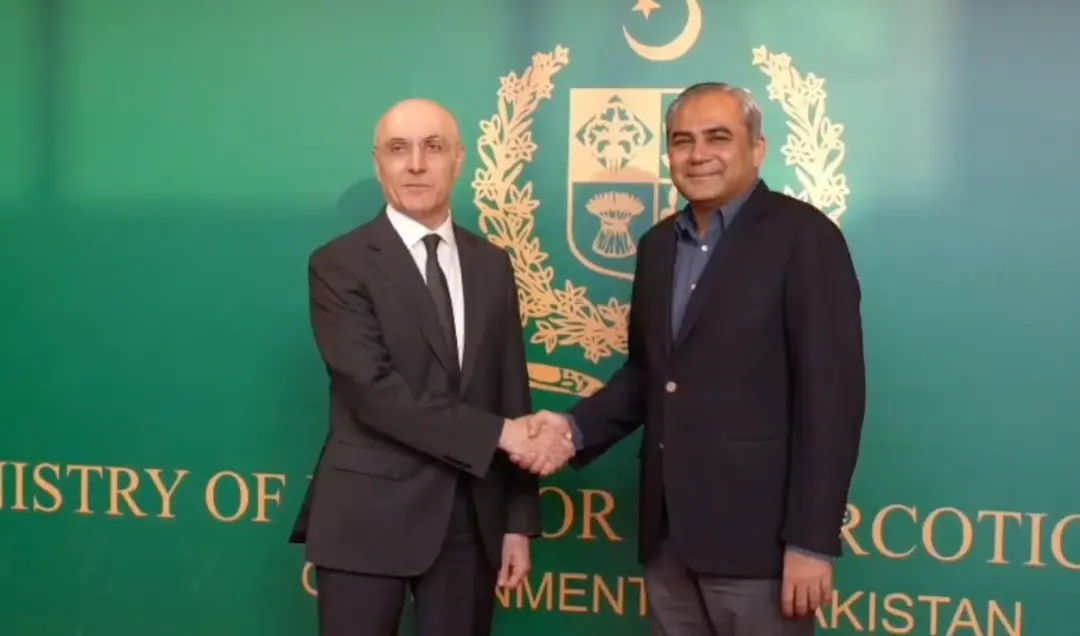
Pakistan, Lebanon agree to broaden security cooperation
Pakistan and Lebanon have agreed to broaden security cooperation and strengthen institutional ties, including intelligence sharing and closer interior ministry coordination, an official statement said Tuesday. The understandings, covering terrorism, narcotics trafficking, illegal immigration, money laundering, cybercrime and police training, came in talks between Interior Minister Mohsin Naqvi and Lebanese counterpart Ahmad Al-Hajjar in Islamabad. A separate agreement signed Monday lets convicted nationals serve remaining sentences at home. Lebanon's health ministry says over 4,300 people have been killed in Israeli strikes since March.
Source
The News International (Pakistan) · read the original report ↗
Desk check · compared with the source
What the desk checked (5)
- Pakistan and Lebanon agreed to broaden security cooperation, including intelligence sharing and interior ministry coordination. — Attributed to an official statement issued Tuesday, as cited in the source.
- Talks were held between Interior Minister Mohsin Naqvi and Lebanese counterpart Ahmad Al-Hajjar in Islamabad; Al-Hajjar also met Zardari, Sharif and Field Marshal Asim Munir. — Named officials and meetings appear in the source; no independent confirmation possible.
- An agreement signed Monday allows convicted nationals to serve remaining prison sentences in their home countries. — Stated in source as signed by Al-Hajjar and Naqvi, witnessed by Sharif.
- More than 4,300 people have been killed in Israeli strikes in Lebanon since March. — Figure attributed in the source to Lebanon's health ministry; not independently verifiable here.
- A Pakistan- and Qatar-mediated process between the US and Iran in June established a de-confliction mechanism involving Lebanon. — Stated in the source without a named source; source notes fighting has continued.
Analysts’ view opinion
ఇది పైకి చూస్తే అంతర్గత భద్రత, పోలీసు శిక్షణకు సంబంధించిన సాధారణ ద్వైపాక్షిక ఒప్పందం మాత్రమే. కానీ లెబనాన్ మంత్రి పాకిస్తాన్ అధ్యక్షుడు, ప్రధాని, ఆర్మీ చీఫ్ను ఒకే పర్యటనలో కలవడం, జూన్లో లెబనాన్ సైనిక కమాండర్ పర్యటన జరిగిన నేపథ్యంలో — ఇది కేవలం హోం మంత్రిత్వ శాఖల మధ్య వ్యవహారం కాదు, విస్తృత వ్యూహాత్మక సాన్నిహిత్యానికి సంకేతం. ఇజ్రాయెల్ దాడులు కొనసాగుతున్న సమయంలో బీరూట్కు ఇస్లామాబాద్ దౌత్యపరమైన బలం, సంస్థాగత సామర్థ్య నిర్మాణం అందిస్తోంది; ఇస్లామాబాద్కు ఇది పశ్చిమాసియాలో తన మధ్యవర్తి ప్రతిష్ఠను పెంచుకునే అవకాశం.
- నిఘా సమాచార మార్పిడి అనేది ఏ ద్వైపాక్షిక సంబంధంలోనైనా అత్యంత సున్నితమైన అంశం — ఉగ్రవాదం, మాదకద్రవ్యాలు అనే పదాల కింద ఉన్నప్పటికీ ఇది సాధారణ పోలీసు సహకారం కంటే ఎక్కువ నమ్మకాన్ని సూచిస్తుంది.
- శిక్ష అనుభవిస్తున్న పౌరుల బదిలీ, నేరస్తుల అప్పగింత, పరస్పర న్యాయ సహాయం వంటివి రెండు దేశాల మధ్య వలస, శ్రామిక సంబంధాల నిర్వహణకు ఉపయోగపడే ఆచరణాత్మక సాధనాలు.
- పాకిస్తాన్ ప్రధాని ఇజ్రాయెల్ దాడులను తీవ్రంగా ఖండించడం, లెబనాన్ సార్వభౌమత్వానికి మద్దతు ప్రకటించడం — ఈ ఒప్పందాలకు స్పష్టమైన రాజకీయ చట్రాన్ని ఇస్తుంది.
- హెజ్బొల్లా-ఇరాన్ కోణం ఉన్న లెబనాన్తో భద్రతా సాన్నిహిత్యం పెంచుకోవడం, గల్ఫ్ భాగస్వాములు మరియు వాషింగ్టన్తో పాకిస్తాన్ సమతుల్యతను ఎలా కాపాడుకుంటుందనే ప్రశ్నను లేవనెత్తుతుంది.
- జూన్లో పాకిస్తాన్-ఖతార్ మధ్యవర్తిత్వంతో ఏర్పడిన డి-కాన్ఫ్లిక్షన్ యంత్రాంగం కొనసాగుతున్న పోరాటాన్ని ఆపలేకపోయిందని కథనమే చెబుతోంది — అంటే ఇస్లామాబాద్ ప్రభావానికి స్పష్టమైన పరిమితులు ఉన్నాయి.
What to watch — హోం మంత్రిత్వ శాఖల మధ్య ప్రతిపాదిత కొత్త ఒప్పందం ఖరారవుతుందా, అది కేవలం పోలీసు శిక్షణకే పరిమితమవుతుందా లేక రక్షణ-సైనిక సహకారం వైపు విస్తరిస్తుందా — అదే ఈ సంబంధం ఎంత వ్యూహాత్మకమో చెబుతుంది.
ఈ కథనం ఎక్కడా ఆయుధ సరఫరా, సైనిక మోహరింపు లేదా హెజ్బొల్లాకు సంబంధించిన ఎటువంటి అంశాన్నీ ధ్రువీకరించలేదు; ఒప్పందాల పూర్తి పాఠం, అమలు కాలపరిమితి, నిఘా భాగస్వామ్యం పరిధి కూడా బహిర్గతం కాలేదు.
Deep dive
Research brief · 8 facts · 5 dates · exam-readyThe brief
Context
Pakistan and Lebanon, long-time cordial partners, have stepped up security and law-enforcement engagement through 2025. During a two-day visit to Islamabad by Lebanese Interior Minister Ahmad Al-Hajjar, the two sides agreed to widen cooperation on terrorism, narcotics, cybercrime and police training, and signed a prisoner-transfer agreement. The engagement comes as Lebanon faces continuing Israeli strikes and Israeli occupation of border territory following renewed fighting with Iran-aligned Hezbollah, with Lebanon's health ministry reporting more than 4,300 killed since March.
Key facts
- Pakistan and Lebanon agreed to broaden security cooperation, including intelligence sharing and closer interior ministry coordination, per an official statement on Tuesday.
- The agreements cover terrorism, narcotics trafficking, illegal immigration, money laundering, cybercrime and police training.
- Both sides decided to appoint focal persons for bilateral coordination and to work toward a new agreement between their interior ministries.
- Talks were held between Pakistani Interior Minister Mohsin Naqvi and Lebanese counterpart Ahmad Al-Hajjar in Islamabad.
- An agreement signed on Monday provides a legal framework for convicted nationals to serve the remainder of their prison sentences in their home countries; signed by Al-Hajjar and Naqvi, witnessed by PM Shehbaz Sharif.
- Al-Hajjar met President Asif Ali Zardari, PM Shehbaz Sharif and army chief Field Marshal Asim Munir during his two-day visit.
- Lebanese Armed Forces commander General Rodolphe Haykal visited Pakistan in June and met Munir on regional security and defence cooperation.
- More than 4,300 people have been killed in Israeli strikes in Lebanon since March, according to Lebanon's health ministry.
Timeline
- June (2025, as per source)Lebanese Armed Forces commander General Rodolphe Haykal visits Pakistan, meets Field Marshal Asim Munir on regional security, defence cooperation, training and institutional links.
- June (2025, as per source)A Pakistan- and Qatar-mediated process between the United States and Iran establishes a de-confliction mechanism involving Lebanon aimed at ending military operations there; fighting continued.
- March onwardLebanon's health ministry records more than 4,300 people killed in Israeli strikes.
- MondayAl-Hajjar meets Zardari, Sharif and Munir; prisoner sentence-transfer agreement signed; Sharif condemns Israel's aggression against Lebanon.
- TuesdayOfficial statement announces broadened security cooperation after Naqvi–Al-Hajjar talks, including intelligence sharing and interior ministry coordination.
Who has a stake
- Pakistan's Interior Ministry (Mohsin Naqvi) — Leads counter-terrorism, counter-narcotics and police training cooperation; to negotiate a new interior ministries agreement.
- Lebanon's Interior Ministry (Ahmad Al-Hajjar) — Seeks to strengthen internal security capacity and benefit from Pakistan's experience amid ongoing conflict.
- President Asif Ali Zardari — Pushed for greater collaboration on extradition, mutual legal assistance, counter-narcotics and emergency response.
- PM Shehbaz Sharif — Witnessed the prisoner agreement and condemned Israel's aggression, backing Lebanon's sovereignty and territorial integrity.
- Pakistan Army (Field Marshal Asim Munir) — Institutional military-to-military ties with the Lebanese Armed Forces, including training and regional security talks.
- Lebanese civilians — Over 4,300 killed in Israeli strikes since March, per Lebanon's health ministry; Israel occupies territory along the border.
- Convicted Pakistani and Lebanese nationals abroad — May serve remaining prison sentences in their home countries under the new legal framework.
Why it matters
The deal shows Pakistan expanding its security diplomacy into the eastern Mediterranean at a moment when Lebanon is under sustained Israeli attack and part of its border territory is occupied. For India-watchers, Pakistan's attempt to position itself as a mediator — after the Pakistan- and Qatar-brokered US–Iran de-confliction mechanism in June — signals a bid for wider West Asian influence through intelligence, policing and military channels.
UPSC angle
Prelims pointers
- Pakistan's Interior Minister: Mohsin Naqvi; Lebanon's Interior Minister: Ahmad Al-Hajjar.
- Cooperation areas agreed: terrorism, narcotics trafficking, illegal immigration, money laundering, cybercrime, police training.
- Monday's agreement: legal framework for convicted nationals to serve remaining sentences in home countries (prisoner transfer).
- Lebanese Armed Forces commander General Rodolphe Haykal visited Pakistan in June 2025.
- Pakistan and Qatar mediated a US–Iran process in June that set up a de-confliction mechanism involving Lebanon.
- Lebanon's health ministry: over 4,300 killed in Israeli strikes since March; Israel occupies territory along the border.
Mains framing
The Pakistan–Lebanon understandings illustrate how conflict-driven insecurity reshapes bilateral diplomacy: a state under sustained aerial attack and partial territorial occupation seeks external capacity-building in internal security, while a partner state uses law-enforcement diplomacy to build strategic reach. The agreed agenda — intelligence sharing, counter-terrorism, counter-narcotics, anti-money laundering, cybercrime, illegal immigration and police academy collaboration — reflects the transnational nature of contemporary security threats, where crime, finance and conflict intersect. Institutional design matters here: focal persons, a proposed interior ministries agreement, full implementation of the existing counter-narcotics pact, and Zardari's call for extradition and mutual legal assistance frameworks are the plumbing without which declaratory MoUs seldom deliver. The prisoner sentence-transfer agreement adds a consular-humanitarian dimension. The limits are equally visible: the June Pakistan–Qatar-mediated de-confliction mechanism involving Lebanon has not stopped the fighting, and Lebanon's health ministry counts over 4,300 killed since March, underlining that police cooperation cannot substitute for a political settlement. The way forward lies in operationalising the legal-assistance architecture, sustaining military and police training links, and pairing bilateral security work with credible multilateral pressure for de-escalation and respect for Lebanon's sovereignty.
Key terms
- Intelligence sharing
- Exchange of security information between agencies of two states, here between Pakistani and Lebanese interior ministries.
- Focal persons
- Designated officials on each side responsible for day-to-day bilateral coordination on agreed security matters.
- Mutual legal assistance
- Formal cooperation between states in collecting evidence and executing legal requests in criminal cases; sought by President Zardari.
- Prisoner sentence-transfer agreement
- Pact signed Monday allowing convicted nationals of each country to serve the remainder of their sentences at home.
- De-confliction mechanism
- Arrangement to avoid military clashes; one involving Lebanon was set up in June via Pakistan- and Qatar-mediated US–Iran talks.
- Hezbollah
- Iran-aligned armed group in Lebanon whose renewed fighting with Israel preceded Israel's occupation of border territory.
Practice questions
- Examine how conflict in West Asia is driving new patterns of security and law-enforcement diplomacy, using the recent Pakistan–Lebanon understandings as a case study.
- Discuss the significance of mutual legal assistance, extradition and prisoner-transfer agreements in combating transnational crime. What institutional preconditions determine their effectiveness?
- Pakistan has sought a mediating role in regional conflicts. Assess the scope and limits of such mediation in the light of the June de-confliction mechanism involving Lebanon.
Grounded only in the source report — figures and dates are the source's, not inferred.