
India, China have wisdom to handle differences: Chinese envoy
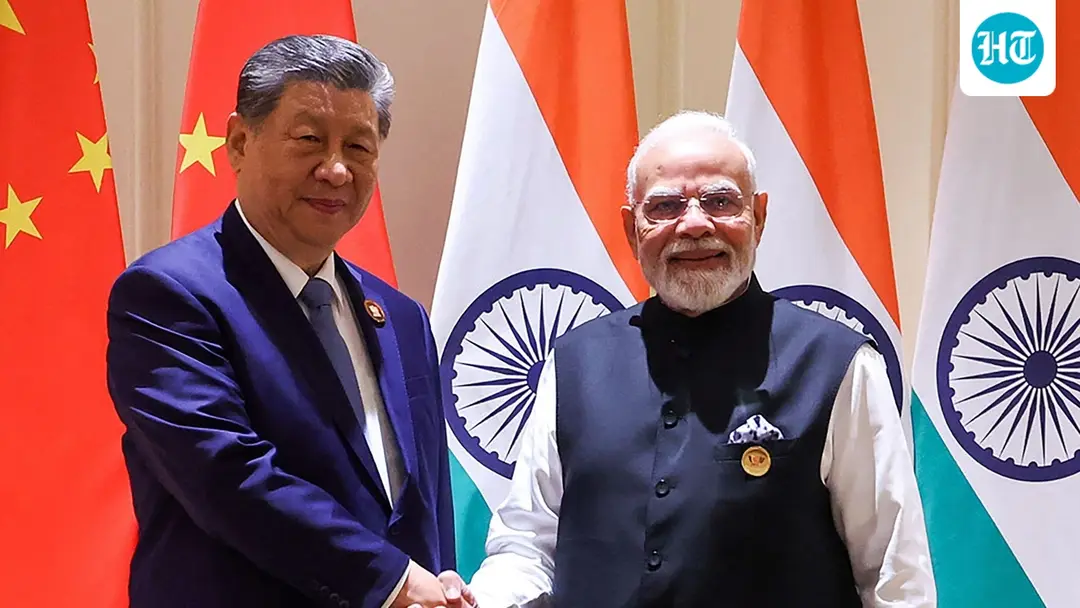
Chinese Ambassador to India Xu Feihong, speaking at China's National Day celebrations in Delhi, said China and India, as two ancient civilisations, have sufficient political and historical wisdom to handle differences properly. He said China remained committed to a dual-track approach to bilateral relations and border issues, and stressed maintaining peace and tranquillity in border areas. The remarks came two weeks after President Xi Jinping visited India for the BRICS Summit, his first trip in seven years.
Source
Hindustan Times — India · read the original report ↗
Desk check · compared with the source
What the desk checked (5)
- China and India have 'sufficient political and historical wisdom to handle differences properly' — Directly quoted and attributed to Chinese Ambassador Xu Feihong at China's National Day event in Delhi.
- China remains committed to a 'dual-track approach' to bilateral relations and border issues — Attributed to the ambassador in the source; no document or text cited.
- Xi Jinping visited India for the BRICS Summit two weeks earlier, his first visit in seven years — Stated in the source without a named source; timeframe is relative, no dates given.
- Modi said peace and tranquillity in border areas is an essential basis for bilateral relations — Attributed to an MEA statement issued after the Modi-Xi meeting.
- Xi called India and China 'important members' of the Global South with 'significant responsibilities' — Extended quote attributed to Xi during talks with Modi; appears in source.
Analysts’ view opinion
The ambassador's National Day remarks are a piece of careful political choreography: Beijing is using the afterglow of Xi Jinping's first India visit in seven years to lock in a narrative of thaw without conceding anything specific on the border. The "dual-track approach" formula is the strategic heart of it — it lets trade, diplomacy and multilateral cooperation advance while the boundary question stays parked. Delhi's own stated position, that peace on the border is the essential basis for ties, sits alongside that but is not identical to it, and that gap is where the political argument in India will play out.
- Invoking "two ancient civilisations" and shared wisdom is classic soft framing — it shifts the conversation from disputed ground to a register where neither side loses face.
- The dual-track approach serves China's sequencing preference: normalise the relationship broadly first, treat the border as a separate, slower file.
- For the Modi government, engagement offers gains in trade, supply chains and Global South positioning, but it also reopens the domestic line of attack that India is softening on the border.
- Xi's framing of both countries as "important members of the Global South" is an invitation to shared multipolar positioning that India tends to accept in principle while guarding its own autonomy.
- An ambassador's speech is a low-cost signal — it tests the political temperature without committing either leadership to anything verifiable.
What to watch — Watch whether the warm language is followed by concrete, announced steps — and how India's opposition parties frame the thaw against the unresolved border question.
The story establishes statements of intent only; it does not establish any new agreement, border mechanism, timeline or change on the ground.
Deep dive
Research brief · 8 facts · 4 dates · exam-readyThe brief
Context
Chinese Ambassador to India Xu Feihong used China's National Day celebrations in Delhi to call for mutual respect, peaceful coexistence and a "dual-track approach" that separates progress on overall bilateral relations from the unresolved boundary question. His remarks came two weeks after President Xi Jinping's visit to India for the 18th BRICS Summit at Bharat Mandapam in New Delhi — his first trip to India in seven years — a visit widely read as an attempt to reset ties strained in recent years, particularly over the border. At the Modi-Xi bilateral, India said the two sides must ensure that "differences should not become disputes".
Key facts
- Chinese Ambassador to India Xu Feihong, speaking at China's National Day celebrations in Delhi, said China and India as "two ancient civilisations" have sufficient political and historical wisdom to handle differences properly.
- Xu said China remains committed to a "dual-track approach" to bilateral relations and border issues, with progress on both tracks reinforcing each other.
- Xu stressed maintaining peace and tranquillity in border areas so that ties continue to "advance on the right track".
- The remarks came two weeks after Xi Jinping's visit to India for the BRICS Summit — his first visit to the country in seven years.
- Modi and Xi met on the sidelines of the 18th BRICS Summit at Bharat Mandapam in New Delhi; the visit was seen as an effort to reset bilateral ties.
- Per the MEA, Modi and Xi expressed commitment to a "fair, reasonable, and mutually acceptable resolution" of the border issue.
- The MEA statement said Modi emphasised that peace and tranquillity in border areas remains an essential basis for continued development of bilateral relations.
- Xi called India and China "important members" of the Global South and the world's two most populous countries, urging an "equal and orderly multipolar world" and high-quality cooperation within the greater BRICS framework.
Timeline
- Recent yearsDifferences emerge between India and China, particularly over border issues.
- Seven years before the latest visitXi Jinping's previous visit to India.
- Two weeks before the envoy's remarksXi Jinping visits India for the BRICS Summit; meets Modi on the sidelines at Bharat Mandapam, New Delhi, in a bid to reset ties.
- China's National Day celebrations in DelhiAmbassador Xu Feihong calls for mutual respect, peaceful coexistence and reiterates the dual-track approach.
Who has a stake
- Xu Feihong, Chinese Ambassador to India — Articulating Beijing's line on managing differences and the dual-track approach to relations and the boundary.
- Prime Minister Narendra Modi — Holds that peace and tranquillity in border areas is an essential basis for developing bilateral ties; that differences must not become disputes.
- President Xi Jinping — Frames India and China as major Global South powers with shared responsibility for multipolarity and globalisation.
- Ministry of External Affairs (MEA) — Issued the statement recording both leaders' commitment to a fair, reasonable and mutually acceptable border resolution.
- BRICS grouping — The 18th Summit in New Delhi provided the platform for the Modi-Xi meeting and Xi's call for high-quality cooperation.
Why it matters
India-China ties have been strained in recent years, chiefly over the boundary, and both sides are now signalling an intent to stabilise relations without pretending the border question is settled. The gap in emphasis is significant: Beijing pushes a dual-track approach in which overall ties advance alongside border talks, while New Delhi insists peace on the border is the essential basis for the relationship. How that difference is managed will shape trade, security and India's positioning within BRICS and the Global South.
UPSC angle
Prelims pointers
- Xu Feihong is China's Ambassador to India; he spoke at China's National Day celebrations in Delhi.
- The 18th BRICS Summit was held at Bharat Mandapam, New Delhi, where Modi and Xi met on the sidelines.
- Xi Jinping's visit was his first to India in seven years.
- "Dual-track approach": China's formulation of advancing bilateral relations and border talks simultaneously.
- MEA: Modi and Xi committed to a "fair, reasonable, and mutually acceptable resolution" of the boundary question.
- Xi described India and China as the world's two most populous countries and important members of the Global South.
Mains framing
The Chinese envoy's invocation of civilisational wisdom and a dual-track approach illustrates the core asymmetry in current India-China diplomacy: Beijing seeks to de-link the pace of overall cooperation from the unresolved boundary, while New Delhi, as Modi told Xi, treats peace and tranquillity in border areas as the essential basis for developing ties and warns that differences must not become disputes. The immediate cause of the thaw is mutual interest — Xi's first visit in seven years, coordinated for the 18th BRICS Summit in New Delhi, where he cast both countries as important members of the Global South with responsibility for an equal and orderly multipolar world and inclusive globalisation. Implications run in two directions: a stabilised relationship expands room for BRICS-level cooperation and economic engagement, but if border management slips, the reset could unravel. A credible way forward, on the source's own terms, rests on the leaders' stated commitment to a fair, reasonable and mutually acceptable resolution of the boundary, sustained border tranquillity, and mutual respect and peaceful coexistence — with India continuing to anchor progress on ties to verifiable calm on the frontier.
Key terms
- Dual-track approach
- China's formulation of pursuing bilateral relations and the border issue on parallel tracks, with progress on each reinforcing the other.
- BRICS
- Multilateral grouping whose 18th Summit was held at Bharat Mandapam, New Delhi; Xi urged high-quality cooperation within the "greater BRICS framework".
- Global South
- Grouping of developing nations; Xi called India and China its important members with significant shared responsibilities.
- Peace and tranquillity in border areas
- Indian formulation, restated by Modi, that calm on the boundary is an essential basis for developing bilateral relations.
- MEA
- Ministry of External Affairs, which issued the readout of the Modi-Xi bilateral meeting.
Practice questions
- Critically examine China's "dual-track approach" to bilateral relations and the boundary question against India's position that peace and tranquillity in border areas is the essential basis of ties.
- Xi Jinping's first visit to India in seven years was read as a "reset". Assess the opportunities and risks of such a reset for India's strategic autonomy.
- Discuss the significance of India and China describing themselves as important members of the Global South for the future of multipolarity and platforms such as BRICS.
Grounded only in the source report — figures and dates are the source's, not inferred.