
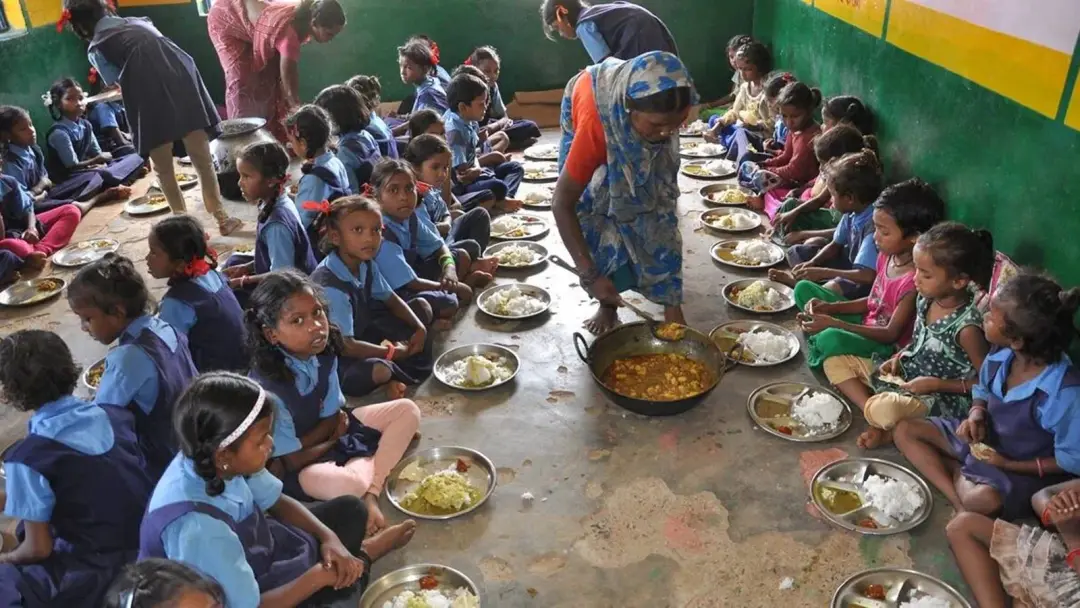
Gujarat inspects 200 institutions' hostels, canteens for food quality
The Gujarat Food and Drug Control Department launched a special drive on Monday, inspecting canteens and hostels of 200 government and private educational institutions for compliance with the health department's SOP. Notices went to 61 institutions, one licence was suspended, 114 food samples were collected and 10 establishments closed voluntarily. It follows Saturday's suspected food poisoning of about 85 of 2,200 hostel students at PP Savani International School, Surat. Minister Praful Pansheriya said the drive will run seven days.
Source
Indian Express — Cities · read the original report ↗
Desk check · compared with the source
What the desk checked (5)
- Canteens and hostels of 200 educational institutions were inspected on Monday under a state drive. — Figure appears in source, attributed to officials and the Food and Drug Control Department.
- Notices were issued to 61 institutions, one licence suspended, 114 food samples collected and 10 establishments voluntarily closed. — Attributed to officials in the source; not independently verifiable here.
- About 85 of 2,200 hostel students at PP Savani International School, Surat, fell ill after dinner on Saturday. — Figures appear in source; described as suspected food poisoning, cause not confirmed.
- Around five students remain admitted and are stable. — Stated in source without named official attribution.
- Drive will continue for seven days covering every village and taluka. — Direct quote attributed to Health Minister Praful Pansheriya.
Analysts’ view opinion
ఒక ఘటన జరిగిన 48 గంటల్లోనే 200 సంస్థల్లో తనిఖీలు జరగడం పరిపాలనా చురుకుదనాన్ని చూపుతుంది; కానీ ఇది ప్రధానంగా ప్రతిచర్యాత్మక (reactive) విధాన నమూనా — ముందస్తు, నిరంతర పర్యవేక్షణ వ్యవస్థ లోపాన్నే ఈ డ్రైవ్ బయటపెడుతోంది. మొదటి రోజే 200 సంస్థల్లో 61కి నోటీసులు, 10 స్వచ్ఛందంగా మూసివేత అంటే — నిబంధనల ఉల్లంఘన ఒక పాఠశాలకు పరిమితమైన సమస్య కాదని, వ్యవస్థాగతమైనదని సూచన. "గుజరాత్ చరిత్రలో మొదటిసారి" అని మంత్రి చెప్పడమే, ఇంతకాలం ఈ రంగంలో క్రమబద్ధ తనిఖీలు లేవన్న అంగీకారంగా చదవవచ్చు.
- విధాన రూపకల్పన కోణంలో ఇది శిక్షాత్మక తనిఖీ (enforcement drive) మాత్రమే — SOP పాలనను ఏడాది పొడవునా పర్యవేక్షించే యంత్రాంగం, సిబ్బంది, నిధుల గురించి కథనంలో ఏమీ లేదు.
- మొదటి రోజు కవరేజీలో 47 ప్రభుత్వ, 21 సెమీ-ప్రభుత్వ, 21 ప్రైవేట్ సంస్థలు ఉన్నాయి — అంటే బాధ్యత ప్రైవేట్ యాజమాన్యాలపైనే కాక ప్రభుత్వ హాస్టళ్లపైనా ఉందని అధికారికంగా అంగీకరించడం.
- ఈ పథకం ప్రధానంగా హాస్టళ్లలో ఉండే విద్యార్థులకు — తరచూ గ్రామీణ, తక్కువ ఆదాయ కుటుంబాల పిల్లలకు — ఉపయోగపడుతుంది; వారికి ఆహారం ఎంచుకునే ప్రత్యామ్నాయం ఉండదు.
- ఏడు రోజుల గడువు, ప్రతి తాలూకా–గ్రామాన్ని కవర్ చేయాలన్న లక్ష్యం అమలు సామర్థ్యంపై ఒత్తిడి పెడుతుంది; తనిఖీలు లోతైనవి కాకుండా లెక్కల ఆధారితంగా మారే ప్రమాదం ఉంది.
- సంస్థ నిర్వహిస్తున్న ట్రస్టే ఆసుపత్రిని కూడా నడుపుతున్నదన్న అంశం, ఘటన నివేదన–చికిత్స–సాక్ష్య సేకరణలో స్వతంత్ర పరిశీలన ఆవశ్యకతను గుర్తు చేస్తుంది.
What to watch — 114 ఆహార నమూనాల ప్రయోగశాల ఫలితాలు, నోటీసులు పొందిన 61 సంస్థలపై చివరకు ఎంత మేర చట్టపరమైన చర్య తీసుకున్నారు, మరీ ముఖ్యంగా ఏడు రోజుల డ్రైవ్ ముగిశాక శాశ్వత పర్యవేక్షణ విధానం ప్రకటిస్తారా అన్నదే కీలకం.
సూరత్ ఘటనకు కారణం ఆహార కలుషితమేనని ఇంకా నిర్ధారణ కాలేదు; అలాగే నోటీసులు పొందిన సంస్థల్లో ఉల్లంఘనల స్వభావం, తీవ్రత, తుది ఫలితం ఏమిటన్నది ఈ కథనం స్పష్టం చేయలేదు.
Deep dive
Research brief · 8 facts · 3 dates · exam-readyThe brief
Context
After about 85 of the 2,200 students at the hostel of PP Savani International School in Surat fell ill with stomach pain and vomiting after dinner on Saturday, Gujarat's Health Minister Praful Pansheriya ordered inspections of all hostels in the state, government and private. The Gujarat Food and Drug Control Department launched a special statewide drive on Monday, checking canteens and hostels of 200 educational institutions for compliance with the state health department's Standard Operating Procedure (SOP). The minister described it as the first such drive in Gujarat's history, to run for seven days covering every village and taluka.
Key facts
- About 85 of the 2,200 students at the PP Savani International School hostel in Surat complained of stomach pain, some vomiting, after dinner on Saturday.
- Canteens and hostels of 200 government and private educational institutions across Gujarat were inspected on Monday, the first day of the drive.
- Notices were issued to 61 institutions asking them to improve facilities; one licence was suspended.
- 114 food samples were collected during Monday's inspections.
- 10 establishments voluntarily closed due to severe unhygienic conditions.
- Premises covered on day one: 47 government, 21 semi-government and 21 private institutions.
- The drive began around 6 am and continued till evening, and will run for seven days, per Minister Praful Pansheriya.
- Most affected students were discharged after primary treatment; around five remain admitted at PP Savani Hospital in stable condition.
Timeline
- SaturdayAbout 85 of 2,200 hostel students at PP Savani International School, Surat, fall ill after dinner; taken to PP Savani Hospital in school buses.
- SundayHealth Minister Praful Pansheriya orders inspection of all state hostels and announces the drive; SMC health officials seize and send food samples for testing.
- MondayGujarat Food and Drug Control Department inspects 200 institutions; 61 notices, one licence suspended, 114 samples collected, 10 closures.
Who has a stake
- Hostel and canteen students in Gujarat — Safety and hygiene of food served to them in residential educational institutions.
- Gujarat Food and Drug Control Department — Executing the seven-day statewide inspection drive and enforcing SOP compliance.
- Health Minister Praful Pansheriya — Ordered the drive, promised strict legal action against violators and police help where institutions do not cooperate.
- PP Savani International School and its trust — Faces scrutiny after the suspected food poisoning; the trust also runs the hospital where students were treated.
- Surat Municipal Corporation health department — Seized food samples from the hostel campus and sent them for testing.
- Government, semi-government and private institutions — Risk of notices, licence suspension or closure for unhygienic conditions.
Why it matters
Mass illness in a hostel of 2,200 students shows how a single kitchen lapse can affect hundreds of children at once, making food safety in residential institutions a public health issue rather than a private management matter. The scale of day-one findings — 61 notices, 10 voluntary closures for severe unhygienic conditions — suggests compliance gaps are widespread and not confined to one school.
UPSC angle
Prelims pointers
- Gujarat Food and Drug Control Department launched the statewide hostel and canteen inspection drive on Monday.
- Day one: 200 institutions inspected; 61 notices; 1 licence suspended; 114 food samples collected; 10 voluntary closures.
- Institutions covered on day one: 47 government, 21 semi-government, 21 private.
- SOP for food quality in hostels and canteens is prescribed by the Gujarat state health department.
- PP Savani International School, Surat: about 85 of 2,200 hostel students affected after dinner on Saturday.
- Gujarat Health Minister: Praful Pansheriya; drive announced Sunday, to run seven days.
Mains framing
The Surat hostel episode illustrates a recurring governance failure: food served in residential educational institutions is often outside routine, proactive inspection, and enforcement tends to follow a crisis rather than prevent one. Day-one findings of the Gujarat drive — notices to 61 of 200 institutions inspected, one licence suspension and 10 voluntary closures on grounds of severe unhygienic conditions — indicate that non-compliance with the state health department's SOP is systemic rather than isolated. Contributing factors include large-scale mass catering (a hostel of 2,200 students), weak internal accountability where the same trust runs the school and the hospital treating affected students, and the need for police assistance where institutions do not cooperate, pointing to gaps in inspector authority in practice. The way forward, as indicated by the source, lies in sustaining inspections beyond the announced seven days across villages and talukas, timely laboratory testing of seized food samples, and initiating strict legal action against violators so that licensing conditions become a continuous deterrent rather than an episodic response.
Key terms
- Standard Operating Procedure (SOP)
- Set of hygiene and food-quality norms prescribed by the Gujarat state health department for hostels and canteens.
- Gujarat Food and Drug Control Department
- State body that inspects food establishments, collects samples and acts on licences; ran the 200-institution drive.
- Suspected food poisoning
- Illness such as stomach pain and vomiting believed to follow consumption of contaminated food, pending sample test results.
- Licence suspension
- Regulatory action halting an establishment's authorisation to serve food; one licence was suspended on day one.
- Surat Municipal Corporation (SMC) health department
- Civic health wing that seized food samples from the PP Savani hostel campus and sent them for testing.
Practice questions
- Food safety enforcement in India is largely reactive rather than preventive. Examine this in light of the Gujarat hostel and canteen inspection drive.
- What institutional mechanisms can ensure continuous compliance with food hygiene SOPs in residential educational institutions? Discuss with reference to the Surat incident.
- Discuss the conflict-of-interest concerns that arise when a school, its hostel and the hospital treating affected students are run by the same trust.
Grounded only in the source report — figures and dates are the source's, not inferred.